
You have no items in your shopping cart.



Course Details
LU1 Urban Farming and Hydroponics Foundations
Topic 1: Introduction to Hydroponics and Systems
- Definition and history of hydroponics
- Advantages and disadvantages of hydroponics
- Basic components of a hydroponic system
- Different types of hydroponic systems (e.g., NFT, DWC, Ebb and Flow)
- Selecting the right system for specific crops
- Setting up and maintaining hydroponic systems
Topic 2: Growing Media, Plant Nutrition, and Practical Application
- Types of growing media used in hydroponics
- Nutrient solutions and their preparation
- Monitoring and adjusting pH and EC levels
- Assembling a basic hydroponic system
- Planting and caring for crops in a hydroponic system
- Maintenance and troubleshooting of hydroponic setups
LU2 Urban Farming and Hydroponics Techniques and Practices
Topic 3: Basic Techniques of Hydroponics Farming
- Principles of indoor farming
- Lighting, temperature, and humidity control
- Integration of hydroponics into indoor farming setups
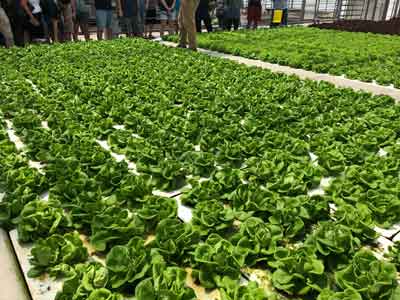
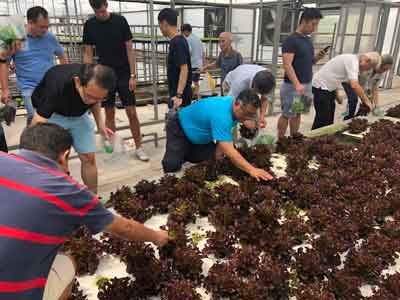
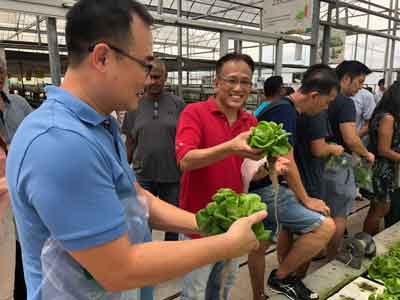
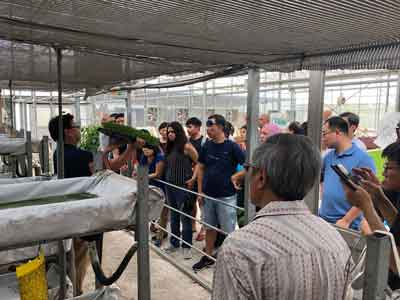
- Guided hydroponics farm tour
- Real-world application of hydroponic techniques
- Observation of commercial hydroponic operations
- Understanding farm management and maintenance practices
Topic 4: Urban Farming Practices in Singapore
- Basics of aquaponics and its benefits
- Setting up an aquaponics system
- Regulatory considerations and best practices for urban farming in Singapore
- Performing farming activities in compliance with prevailing regulations
- Good Agriculture Practices (GAPs) and Workplace Safety and Health (WSH) practices
- Equipment cleaning and maintenance techniques
Guided Farm Tour
Course Info
Promotion Code
Promo or discount cannot be applied to WSQ courses
Minimum Entry Requirement
Knowledge and Skills
- Able to operate using computer functions
- Minimum 3 GCE ‘O’ Levels Passes including English or WPL Level 5 (Average of Reading, Listening, Speaking & Writing Scores)
Attitude
- Positive Learning Attitude
- Enthusiastic Learner
Experience
- Minimum of 1 year of working experience.
Minimum Software/Hardware Requirement
Softtware: Windows / Mac
Hardware: Laptop
About Progressive Wage Model (PWM)
The Progressive Wage Model (PWM) helps to increase wages of workers through upgrading skills and improving productivity.
Employers must ensure that their Singapore citizen and PR workers meet the PWM training requirements of attaining at least 1 Workforce Skills Qualification (WSQ) Statement of Attainment, out of the list of approved WSQ training modules.
For more information on PWM, please visit MOM site.
Funding Eligility Criteria
| Individual Sponsored Trainee | Employer Sponsored Trainee |
|
|
|
SkillsFuture Credit:
PSEA:
|
Absentee Payroll (AP) Funding:
SFEC:
|
Appeal Process
- The candidate has the right to disagree with the assessment decision made by the assessor.
- When giving feedback to the candidate, the assessor must check with the candidate if he agrees with the assessment outcome.
- If the candidate agrees with the assessment outcome, the assessor & the candidate must sign the Assessment Summary Record.
- If the candidate disagrees with the assessment outcome, he/she should not sign in the Assessment Summary Record.
- If the candidate intends to appeal the decision, he/she should first discuss the matter with the assessor/assessment manager.
- If the candidate is still not satisfied with the decision, the candidate must notify the assessor of the decision to appeal. The assessor will reflect the candidate’s intention in the Feedback Section of the Assessment Summary Record.
- The assessor will notify the assessor manager about the candidate’s intention to lodge an appeal.
- The candidate must lodge the appeal within 7 days, giving reasons for appeal
- The assessor can help the candidate with writing and lodging the appeal.
- he assessment manager will collect information from the candidate & assessor and give a final decision.
- A record of the appeal and any subsequent actions and findings will be made.
- An Assessment Appeal Panel will be formed to review and give a decision.
- The outcome of the appeal will be made known to the candidate within 2 weeks from the date the appeal was lodged.
- The decision of the Assessment Appeal Panel is final and no further appeal will be entertained.
- Please click the link below to fill up the Candidates Appeal Form.
Job Roles
- Urban Farm Manager
- Hydroponics Specialist
- Urban Agriculture Consultant
- Hydroponic System Technician
- Greenhouse Technician
- Plant Nutritionist
- Indoor Farm Supervisor
- Agricultural Operations Manager
- Hydroponic Crop Grower
- Environmental Control Specialist
- Farming Equipment Operator
- Agricultural Compliance Officer
- Urban Farming Educator
- Sustainable Agriculture Advocate
- Agribusiness Entrepreneur
- Farm Maintenance Technician
- Agricultural Research Assistant
- Urban Farm Designer
- Aquaponics Technician
- Agricultural Health and Safety Officer
Trainers
Felicia Kang - Felicia Kang is a workplace learning facilitator and corporate trainer focused on communication, stakeholder management, and collaborative problem-solving. She has designed and delivered learner-centred sessions for mixed-seniority groups, helping teams turn conflict into constructive dialogue and align around clear outcomes. Felicia’s classrooms emphasize practical tools—brief frameworks, role-plays, and reflection prompts—so participants can transfer skills immediately to meetings, projects, and client interactions.
In WSQ contexts, Felicia aligns activities to competency outcomes, mapping each topic to observable behaviours such as clarifying expectations, giving/receiving feedback, and documenting agreements. Learners leave with ready-to-use artefacts (conversation guides, action trackers, and meeting templates) that sustain application on the job. Her facilitation style balances psychological safety with accountability, resulting in high participation, measurable skill uptake, and stronger cross-functional collaboration.
Bernard Low - Bernard Low is a training consultant specializing in team effectiveness, service excellence, and process improvement for SMEs and enterprise teams. He blends practical management experience with facilitation techniques that surface root causes, prioritize fixes, and translate decisions into clear actions. Bernard’s programmes are hands-on and scenario-based, enabling participants to practise difficult conversations, negotiate trade-offs, and build durable working agreements across departments.
For WSQ delivery, Bernard structures each module with explicit performance criteria, formative checks, and workplace-based assignments. He equips learners with simple toolkits—issue framing canvases, RACI/RAPID role maps, and after-action review templates—so improvements continue beyond the classroom. His sessions consistently focus on measurable outcomes: reduced rework, faster cycle times, and higher stakeholder satisfaction, achieved through better communication discipline and collaborative problem-solving.
Customer Reviews (3)
- will recommend Review by Course Participant/Trainee
-
. (Posted on 12/18/2020)1. Do you find the course meet your expectation? 2. Do you find the trainer knowledgeable in this subject? 3. How do you find the training environment - will recommend Review by Course Participant/Trainee
-
. (Posted on 12/18/2020)1. Do you find the course meet your expectation? 2. Do you find the trainer knowledgeable in this subject? 3. How do you find the training environment - will recommend Review by Course Participant/Trainee
-
. (Posted on 12/17/2020)1. Do you find the course meet your expectation? 2. Do you find the trainer knowledgeable in this subject? 3. How do you find the training environment
Write Your Own Review
You May Be Interested In These Courses

WSQ - Sustainability Reporting and Engineering Strategies for Senior Leaders
$1,000.00 (GST-exclusive)
$1,090.00
(GST-inclusive)
WSQ - Fundamentals of ISO 14001 Environmental Management System (EMS)
$900.00 (GST-exclusive)
$981.00
(GST-inclusive)
WSQ - Carbon Footprint Management for Sustainability
$720.00 (GST-exclusive)
$784.80
(GST-inclusive)
WSQ - Holistic Plant Health and Care for Urban Agriculture
$780.00 (GST-exclusive)
$850.20
(GST-inclusive)